
Blogs
What Are Peptides? Benefits, Uses, and How They Work

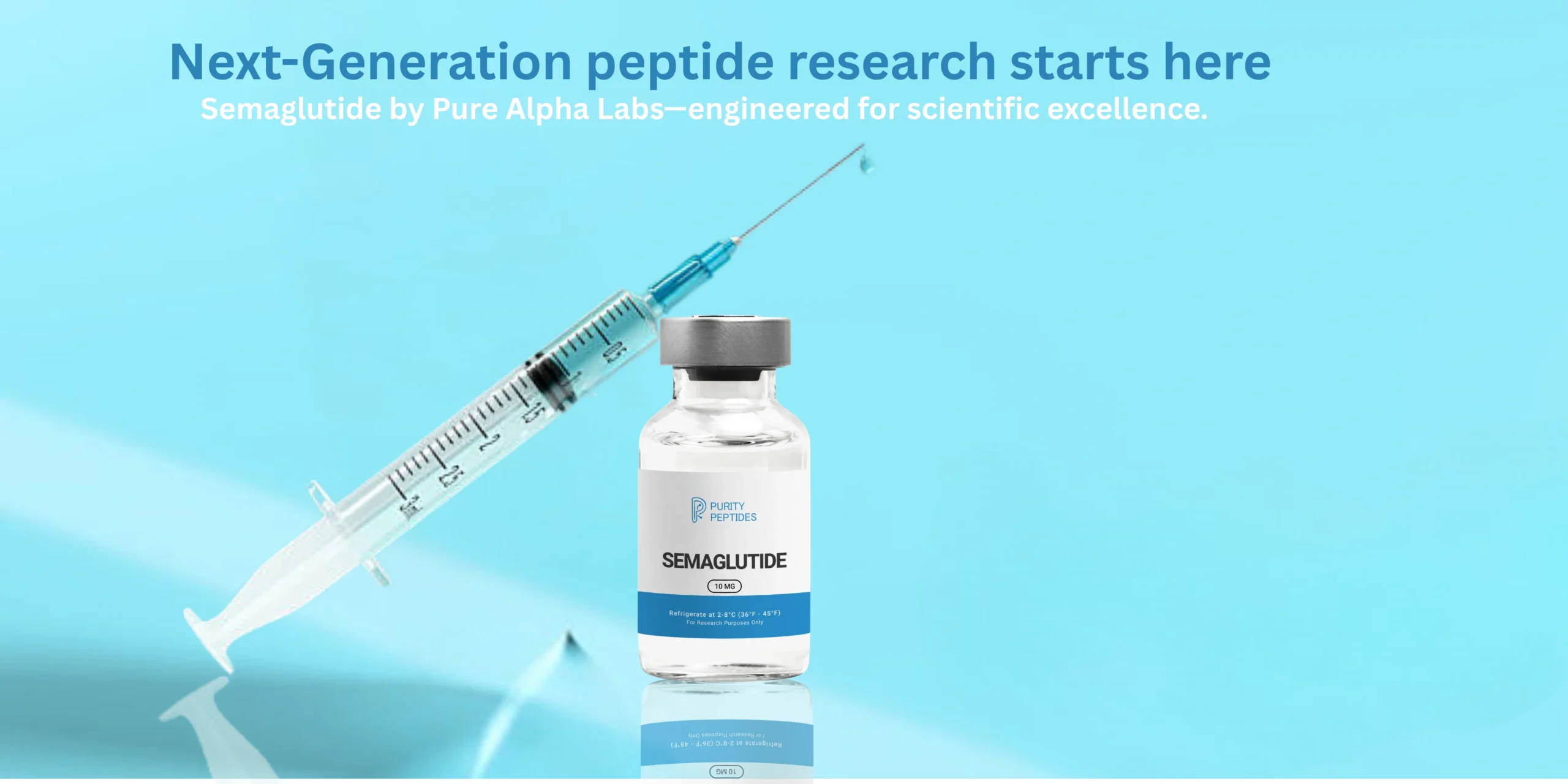
Peptides have become one of the most talked-about advancements in modern wellness, skincare, and performance optimization. From anti-aging solutions to weight management and muscle recovery, peptides offer a science-driven, targeted approach to improving overall health.
At Pure Alpha Labs, we believe education is key. This guide explains what peptides are, how they work, and why they are becoming essential in today’s health and wellness routines.
What Are Peptides?
Peptides are short chains of amino acids, which are the building blocks of proteins. While proteins are long and complex, peptides are smaller and more precise, allowing them to communicate efficiently with cells.
Naturally produced by the body, peptides act as biological messengers, telling cells how to function, repair, and regenerate. As we age, natural peptide production declines—leading to visible signs of aging, slower recovery, and metabolic changes.
How Do Peptides Work in the Body?
Peptides work by binding to specific cell receptors and triggering targeted responses. Instead of forcing changes, peptides encourage the body to function more efficiently.
Depending on the peptide, they may:
- Signal collagen production
- Support fat metabolism
- Enhance muscle repair
- Improve cellular communication
- Support hormonal balance
Because peptides work with the body rather than against it, results are typically gradual, natural, and sustainable.
Key Benefits of Peptides

1. Anti-Aging & Skin Health
Peptides such as Matrixyl and Copper Peptides (GHK-Cu) are widely used in skincare to:
- Stimulate collagen and elastin
- Improve skin firmness
- Reduce fine lines and wrinkles
- Support skin repair and hydration
Consistent use helps maintain a youthful, radiant complexion.
2. Weight Loss & Metabolic Support
Certain peptides are studied for their ability to:
- Support fat metabolism
- Improve insulin sensitivity
- Help regulate appetite
- Preserve lean muscle during fat loss
Rather than acting as stimulants, peptides support metabolic efficiency, making them a popular choice for sustainable weight management.

3. Muscle Growth & Recovery
Peptides like BPC-157 and TB-500 are researched for:
- Faster muscle recovery
- Reduced inflammation
- Improved tissue repair
- Enhanced workout recovery
This makes peptides valuable for athletes and active individuals.
4. Overall Wellness & Longevity
Peptides also play a role in:
- Cellular regeneration
- Energy optimization
- Hormonal balance
- Long-term wellness support
Their targeted nature allows for personalized wellness strategies.
How Quickly Do Peptides Work?
Peptides do not deliver overnight results. Instead, they support natural biological processes.
- Skincare results: noticeable improvements in 4–8 weeks
- Recovery & wellness benefits: may be felt within 2–4 weeks
- Long-term benefits improve with consistent use
Consistency is key for optimal results.
Are Peptides Safe?
When used responsibly and sourced from high-quality suppliers, peptides are generally considered safe. However:
-
Always follow recommended usage
-
Avoid use if pregnant, breastfeeding, or under 18
-
Consult a healthcare professional if you have medical conditions
At Pure Alpha Labs, quality and transparency are our priority.
Peptides vs Traditional Supplements
Traditional supplements often work broadly, while peptides work precisely.
| Supplements | Peptides |
|---|---|
| General support | Targeted cellular signaling |
| Temporary effects | Long-term biological support |
| Broad action | Specific receptor interaction |
This precision is what makes peptides stand out in modern wellness science.
Why Choose Peptides from Pure Alpha Labs?
Pure Alpha Labs is committed to:
- High-quality peptide sourcing
- Transparency and education
- Research-driven formulations
- Products designed for performance, wellness, and longevity
Our goal is to help you make informed decisions backed by science.